How to get to Ninoshima
Hiroshima City, Hiroshima · Hiking · Fishing
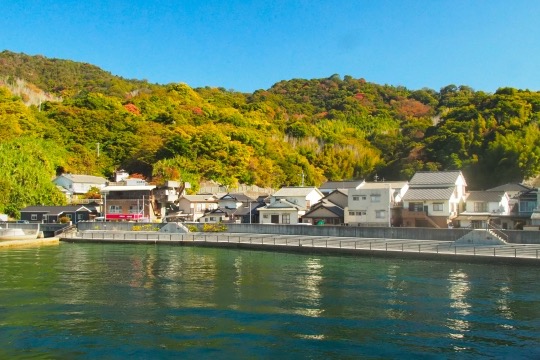
You reach Ninoshima by boat from Hiroshima Port (Ujina). The car ferry from Hiroshima Port (Ujina) takes 20 min and costs ¥450 one way for an adult.
An island about 20 minutes by Ninoshima Kisen car ferry from Hiroshima Port (Ujina). The ferry company publishes guides to hiking, fishing and cycling on the island.
Every way to get there
- Travel time
- 20 min
- Adult one-way
- ¥450
- First boat
- 06:30
- Last boat there
- 20:30
- Last boat back
- 20:00
- Cars
- Allowed
Sailings13 sailings a day (from Hiroshima, regular timetable)
More details
The first departure from Ninoshima is 6:00. The 9:30, 12:30 and 14:00 departures from Hiroshima and the 13:00 and 14:30 departures from Ninoshima go via Gakuen-mae Pier (journey time differs). A different timetable runs on Jan 1, 2 and 3. There is no ticket machine at Ninoshima Port, so buying a round-trip ticket from the machine at Ujina Port is recommended. There is no dedicated service-status page; only the "News" section on the homepage (inquiries: 082-251-6516). Boarding at Hiroshima Port is from berth (5).
Sources (3 pages): ninoshimakisen.jp・www.city.hiroshima.lg.jp
Something out of date? Let us know →
Getting around, sights and seasons on Ninoshima
Getting around
- Bicycle / scooter
- No bicycle shops or repair shops. Few sidewalks; bicycles also ride on the roadway
- Getting around
- No buses or taxis; on foot or by bicycle. A loop is 11–12 km, about 2 hours (some sections closed to vehicles)
- Bringing a car
- Some routes carry cars (see the routes above)
More details
There are no buses or taxis on the island, so you get around on foot or by bicycle. According to Ninoshima Kisen's cycling map, a loop of the island is about 11–12 km and takes an adult about 2 hours at a normal pace. There are no bicycle shops or repair shops on the island. The section from Ninoshima Port, turning left, as far as Ninoshima Gakuen is closed to vehicles, and the road is narrow, with steps and gutters. There are almost no sidewalks, and bicycles also ride on the roadway.
Sights
- Aki-kofuji
- 278 m Fuji-shaped peak that gave the island its other name
More details
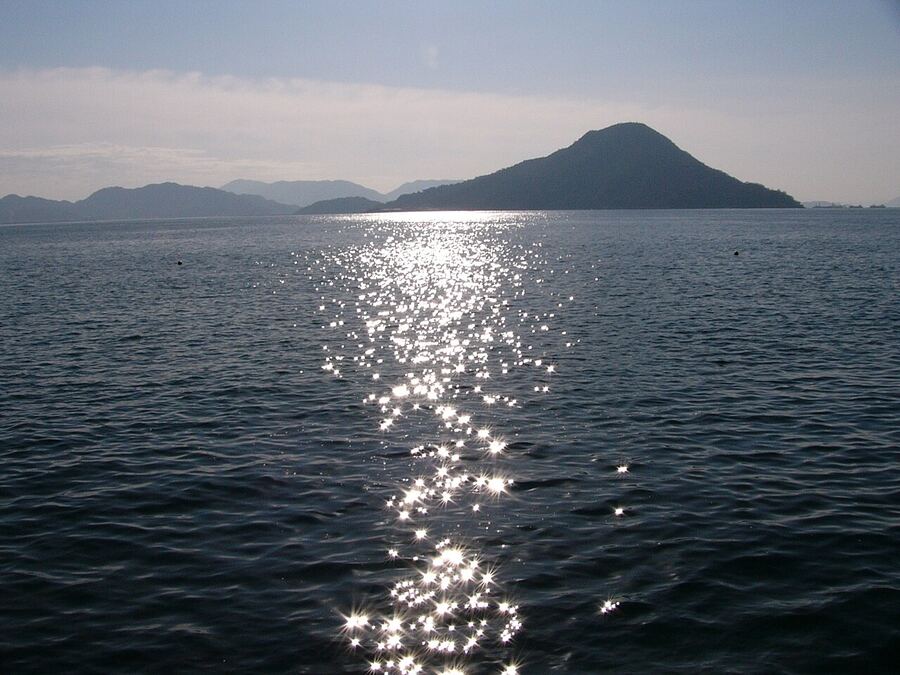
A mountain 278 m high. Because the island's shape resembles Mt. Fuji, Ninoshima itself is also called by this name. The trail runs from the trailhead at Ieshita to the summit, and there are no toilets on the mountain.
- Shimotakayama
- Trailhead past the school route; can be paired with Aki-kofuji
More details
A mountain whose trailhead lies at the top of the school route that climbs through the town from the pier; if you follow the path, it is hard to get lost. Hiroshima City's walking map gives a course from Gakuen Pier over Aki-kofuji and Shimotakayama as about 5.6 km and about 80 minutes.
- Nagahama Beach
- The island's largest beach, about 500 m. Swimming in summer
More details
The largest beach on the island, about 500 m long, used in summer for swimming and as a base for marine sports.
- Site of the Ninoshima Army Quarantine Station and the Peace Walk
- Former army quarantine station; a relief station after the bombing
More details
An army quarantine station was set up on the island in 1895 (Meiji 28). Right after the atomic bombing it became a relief station, and about 10,000 people are said to have been taken in by Aug 25. On the island are the Peace Walk and a memorial to the atomic bomb victims.
- Juchheim Ninoshima Welcome and Exchange Center
- Former youth nature house, now open to the public too
More details
The former Ninoshima Seaside Youth Nature House, renamed in April 2024 and now also open to the general public. 15 minutes on foot from Gakuen-mae Pier.
Seasons
- Swimming season
- Summer (Nagahama Beach becomes a swimming beach)
- Best time to visit
- At the exchange center: seawater pool in July and August, canoeing in April–June and September–November
- Good to know
- Long sleeves and long trousers for hiking even in summer / cancel hikes on days when bad weather is expected
More details
Nagahama Beach is used for swimming in summer. According to Hiroshima City's 2025 public information, the Juchheim Ninoshima Welcome and Exchange Center offers a seawater pool in July and August, and canoeing in a flowing-water pool from April to June and from September to November. For hiking, long sleeves and long trousers are recommended even in summer, and hikers are advised to cancel on days when bad weather is expected.
Checked on the official pages on 2026-10-19. Sources (6 pages): ninoshimakisen.jp・www.city.hiroshima.lg.jp
Common questions
How do I get to Ninoshima?
You reach Ninoshima by boat from Hiroshima Port (Ujina). The car ferry from Hiroshima Port (Ujina) takes 20 min and costs ¥450 one way for an adult.
Can I take my car to Ninoshima?
The ferry from Hiroshima Port (Ujina) carries cars. Whether you can drive on the island itself depends on local rules, so check the island’s guidance.
What time is the last boat to and from Ninoshima?
Hiroshima Port (Ujina): last boat to the island 20:30, last boat back 20:00. Times change by season, so check the official timetable.
Can I visit Ninoshima as a day trip?
On the timetable, yes. Take the 06:30 from Hiroshima Port (Ujina), arrive around 06:50, and the last boat back leaves at 20:00: up to about 13 hours on the island. Some days have fewer sailings.